
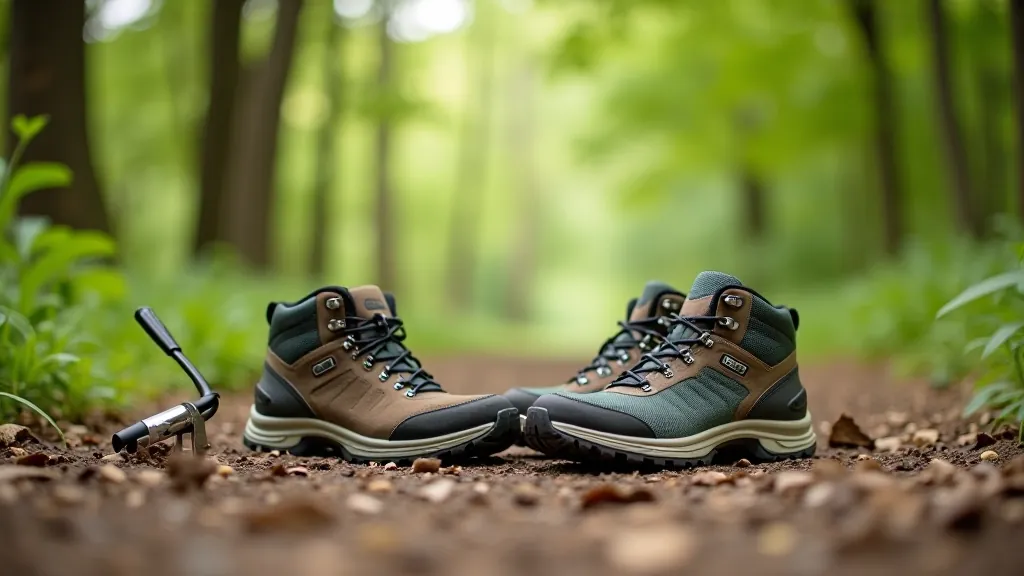
The Backpack Question
You don't need much for a morning walk around Rossmore Park. Most people overpack, then regret carrying weight they never used. We've seen walkers with full mountaineering rigs for a two-hour loop — it's unnecessary.
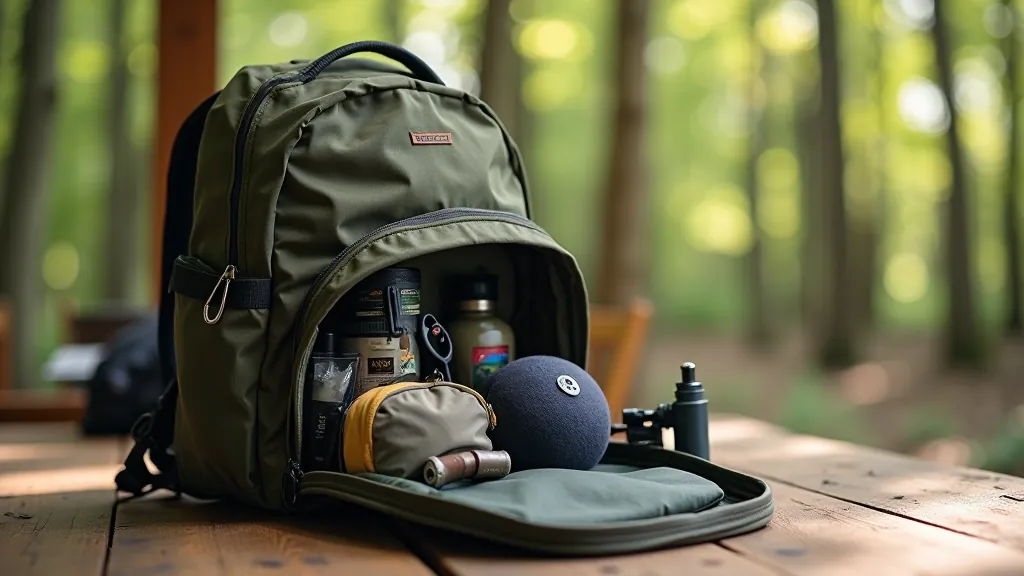
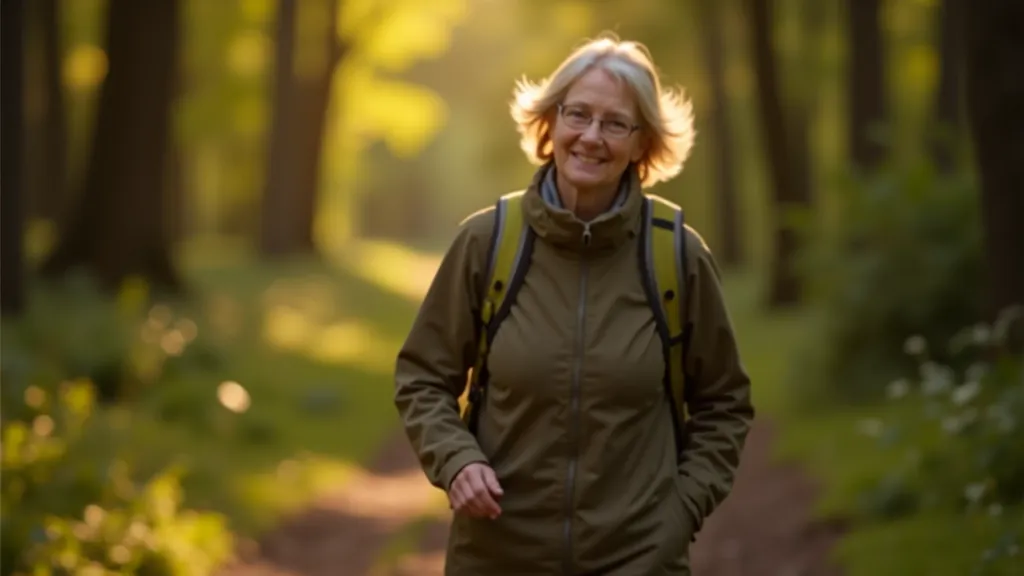
The sweet spot? A small daypack that holds about 8-12 liters. Something that fits comfortably without bouncing. You're looking at maybe 1.5-2kg total when full, which is manageable for most walkers. Here's what actually goes in it.
The Non-Negotiables
- Water bottle or hydration pack — 500-750ml minimum. You'll be surprised how thirsty you get, even on cool days.
- Mobile phone — fully charged. It's your emergency contact and safety net.
- A basic first aid kit — plasters, antiseptic wipe, paracetamol. Takes up almost no space.
- Weatherproof layer — a lightweight jacket or cagoule. Weather changes fast in Monaghan.
- Snacks — nothing fancy. A banana, some nuts, a cereal bar. Energy matters on longer walks.
Footwear and Comfort
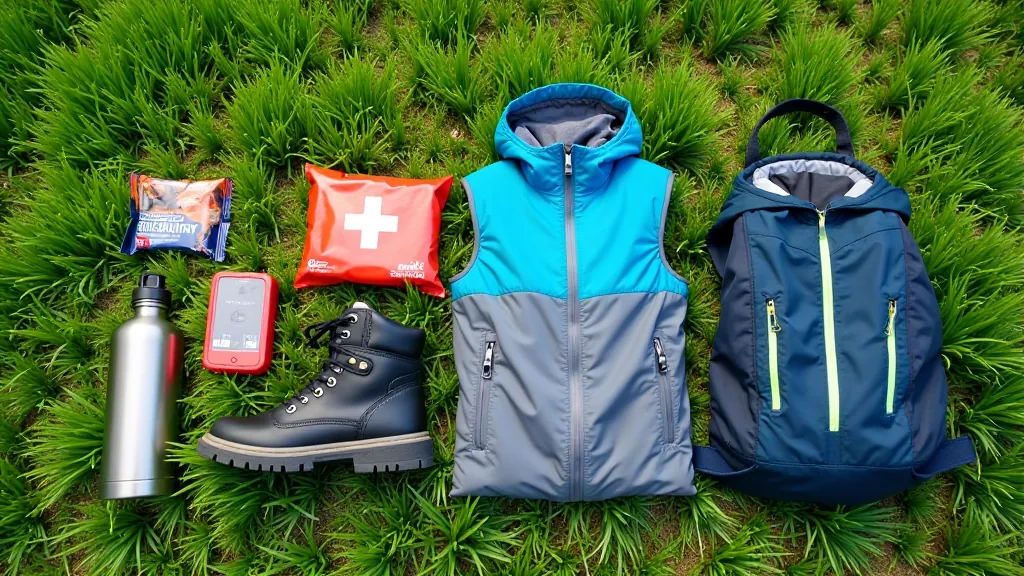
Your feet matter. A lot. Rossmore Park's trails are mostly well-maintained, but there's mud, tree roots, and uneven ground. You don't need specialized hiking boots — just shoes with good grip and ankle support. Trainers work fine if they're sturdy. Avoid flat shoes or anything brand new on your first walks.
Break shoes in beforehand. Even the best boots cause blisters if you haven't worn them before. Moisture-wicking socks make a real difference too. Cotton socks absorb sweat and stay wet — your feet get uncomfortable fast. Wool or synthetic blends dry better and prevent rubbing.
Navigation and Safety Basics
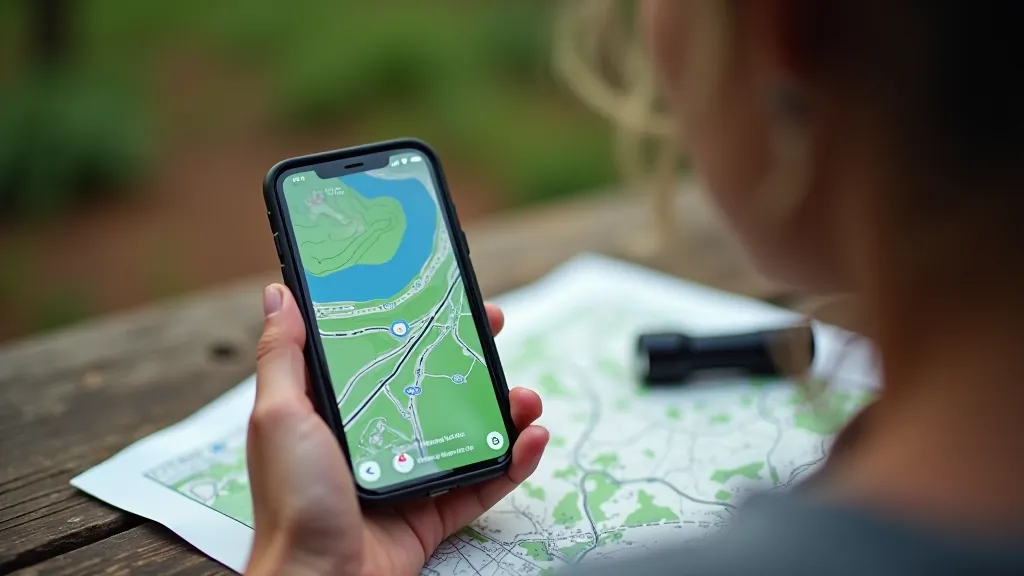
The Lake Loop and Deer Walk are well-marked, so you're not getting lost. But carry your phone charged and tell someone where you're going. Not being dramatic — it's just sensible. If you fall or twist something, your phone's the fastest way to get help.
A simple map of the park fits in your pocket. Download one beforehand or grab a printed copy from the visitor center. Knowing the route builds confidence, especially on your first few walks. You'll spot landmarks and feel less disoriented if paths seem to fork unexpectedly.
Visibility matters, particularly in late autumn and winter when daylight's shorter. A small head torch or clip-on light takes virtually no space. If you're walking early morning or late afternoon, you'll want one. Other walkers and cyclists see you better, and you see obstacles ahead.
What You Actually Don't Need
Compass — honestly, the trails are marked. GPS watch — your phone does this. Trekking poles — they're useful on steep mountain hikes, not flat park walks. Insect repellent — there's nothing particularly aggressive around Rossmore in the walking season. High-tech base layers — regular clothes work fine if they're not cotton.
Weather Specific Tips
Monaghan weather's unpredictable. You can leave home in sunshine and encounter rain within 20 minutes. That's why the weatherproof layer's non-negotiable. A lightweight cagoule folds into itself and weighs almost nothing.
In winter months, bring extra layers. Your hands get cold faster than the rest of you. A pair of gloves takes no pack space. In summer, sunscreen matters — you're not as protected as you'd think, especially if you're walking near the lake with reflection off water. A hat helps too.
Wet conditions are the norm in Ireland. Your shoes will get muddy. That's part of the experience. What matters is good drainage in your footwear and socks that don't absorb water. After your walk, clean your shoes properly. Wet boots sitting in a cupboard develop smell and damage faster.
Important Note
This article provides educational information about trail walking preparation. Always assess your own fitness level and health before starting any new physical activity. If you have existing health conditions, consult with your GP before beginning regular walking. Rossmore Park and its trails are natural environments — conditions change with weather and seasons. Check current trail conditions before your visit, and inform someone of your planned route and expected return time.
Start Simple, Build From There
Your first walk doesn't require perfect gear. A decent pair of shoes, water, and good sense are genuinely enough. You'll quickly discover what you actually need and what's just weight. Some walkers prefer a trekking pole after their first month. Others never want one. Your preferences will emerge through doing it.
The gear discussion matters less than actually getting out there. You'll notice improvements in how you feel after just three or four walks. Your legs get stronger. Your breathing becomes easier. The park becomes familiar, less intimidating. That's what counts. The gear's just the practical side of making the experience comfortable.