
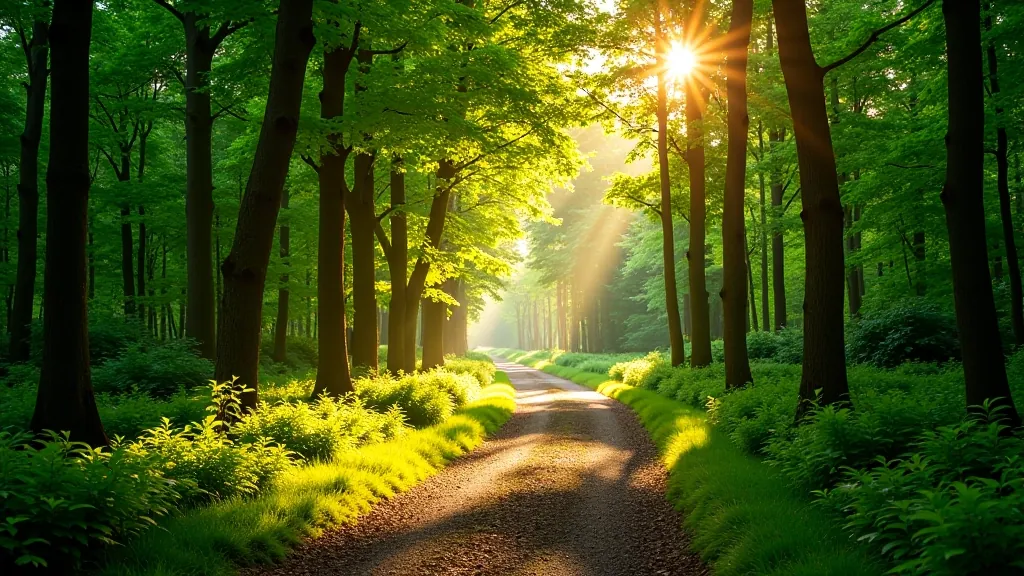
Walking longer distances doesn't require superhuman stamina — it's about strategy. The difference between finishing a walk feeling great and arriving home exhausted comes down to pacing, knowing your limits, and taking breaks before you desperately need them.
We're going to walk you through how to build distance gradually, recognize when your body needs a rest, and pace yourself so you're not gasping for breath after a few kilometers. This isn't about pushing hard — it's about being smart.
Start Slower Than You Think You Should
Here's the mistake most people make: they set off at a pace that feels comfortable for the first 10 minutes. Then, 30 minutes in, that pace feels completely different.
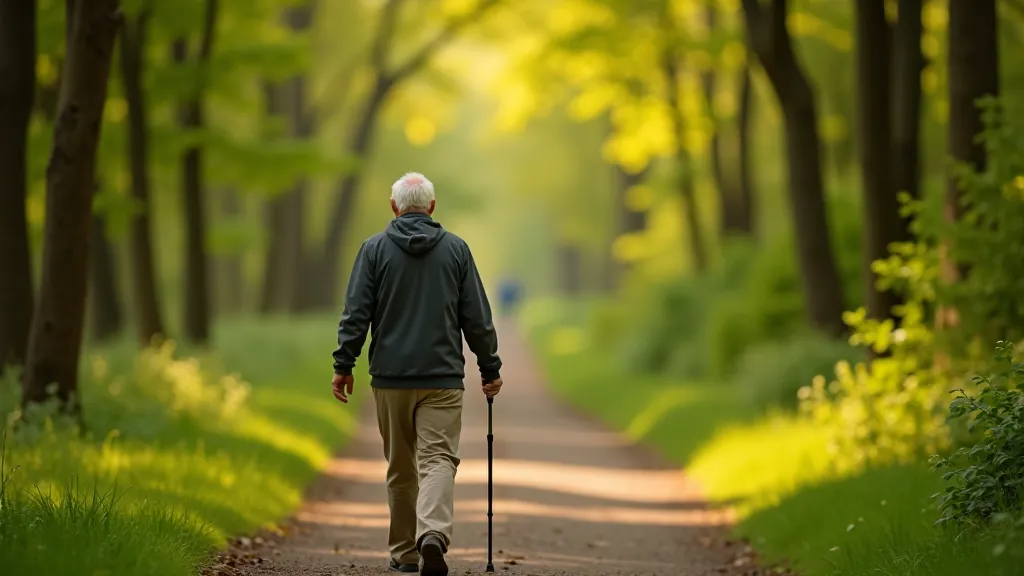
The right pace is one where you can hold a conversation. If you're breathing so hard you can't speak in full sentences, you're going too fast. Sounds simple, but it's the single best way to know you're in the right zone.
When you're building distance — say, moving from 3km walks to 5km walks — start the new distance at a slower pace than you'd normally use. You'll feel it's too slow. That's the right speed. Your body will thank you at the end.
The Conversation Test
You should be able to speak a full sentence without pausing for breath. If you can't, you're pushing too hard. Slow down.
Rest Before You Need To
This changes everything. Most people wait until their legs are burning and they're breathing heavily before they sit down. That's too late. You've already pushed past your comfort zone.
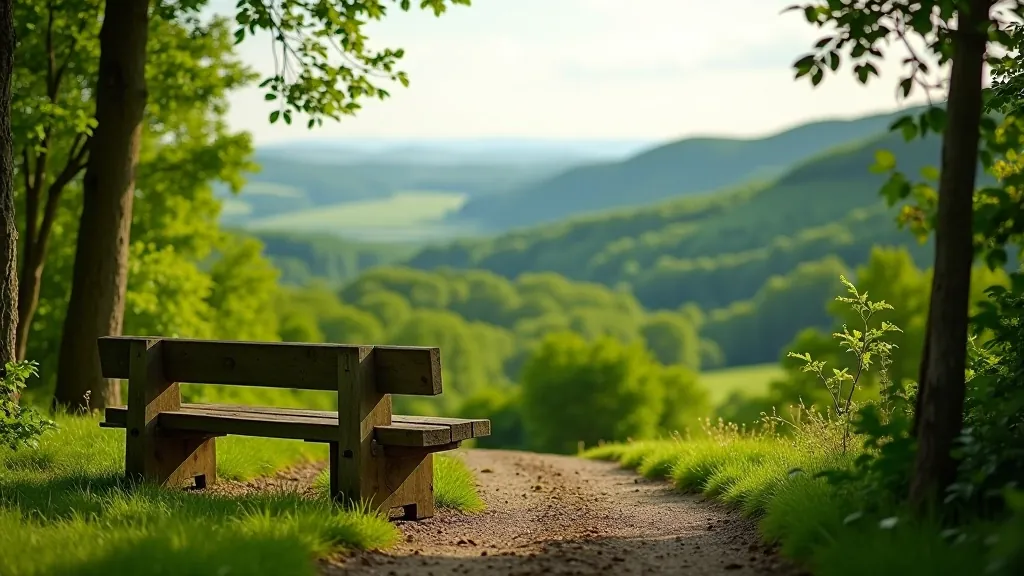
Plan rest stops before you leave. If you're doing a 5km walk and it's taking you about an hour, aim to sit down after 25-30 minutes. That's roughly halfway. You'll have more energy for the return journey, and you won't feel completely drained.
Use these breaks properly. Sit for 5-10 minutes. Drink some water if you've brought it. Let your heart rate come down. Don't jump up the second you catch your breath — rest a bit longer than feels necessary. Your legs will feel fresher when you start walking again.
Building Distance Gradually
You don't go from 2km walks to 7km walks overnight. This is how to add distance without overdoing it:
Walk Your Current Distance Twice a Week
Get comfortable with your current distance first. Don't add distance and frequency at the same time.
Add 0.5km to Your Next Walk
Not 2km. Not even 1km. Just half a kilometer. It doesn't sound like much, but it adds up safely.
Do That New Distance Twice
Repeat the same slightly longer walk. Your body adapts to that distance. Then add another 0.5km.
Take a Lighter Week Every Month
Every third or fourth week, drop back to your previous distance. Your body needs recovery time.
Reading Your Body's Signals
Your body talks to you. The trick is learning the difference between normal effort and a warning sign.
Tired Legs Are Normal
Legs that feel heavy or tired? That's fine. That's what happens when you use them. This feeling passes quickly after a rest.
Sharp Pain Is Not
Sharp, stabbing pain — especially in your knee, ankle, or hip — is different. Stop walking. Rest. Don't push through this.
Shortness of Breath Needs Attention
Feeling breathless that doesn't improve with rest, or dizziness, means slow down or stop. This is your body saying "not today."
Practical Tips for Better Pacing
Bring Water
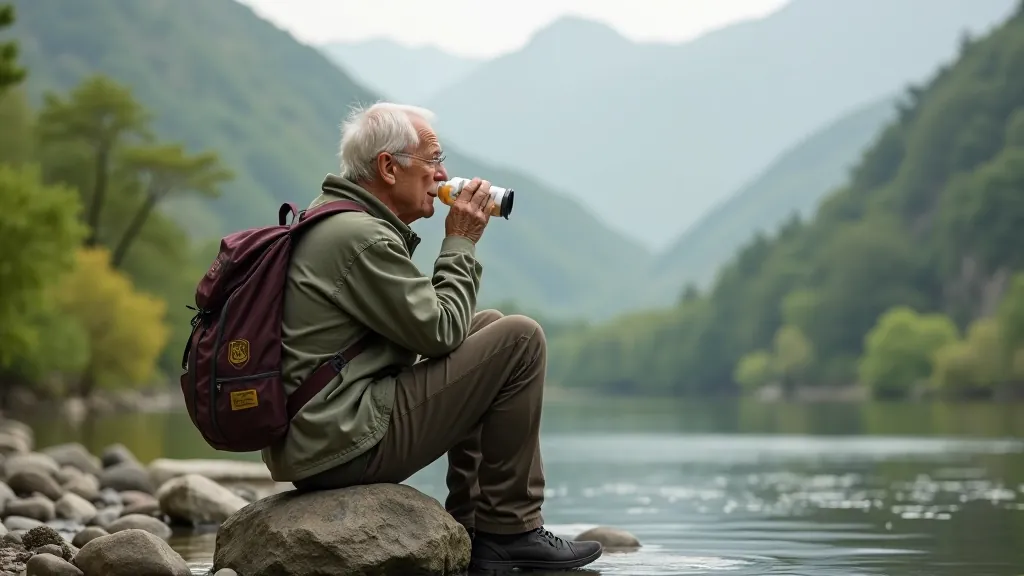
Even on short walks. A small bottle keeps you hydrated and gives you something to do during rest stops. You'll have more energy if you're not thirsty.
Track Your Time
Know roughly how long your route takes. You'll learn your natural pace. This helps you plan rest stops and avoid starting a walk you can't finish comfortably.
Loop Routes Are Better Than Out-and-Back
A loop is more interesting and you don't face the mental challenge of retracing your steps when tired. Forest Park's lake loop is perfect for this.
Walk Earlier in the Day
You'll have more energy and better light. Afternoon walks often leave you more tired than morning ones, even if the distance is the same.
About This Guide
This article provides general information about pacing techniques for recreational walking. It's not medical advice. If you have any health conditions, take medications, or have concerns about exercise, consult your doctor before starting a new walking routine. Everyone's fitness level is different — what works for one person may need adjustment for another. Listen to your body and adjust accordingly.
The Real Key to Longer Walks
Walking further isn't about being stronger or tougher. It's about being smarter. Slow down when you start. Take breaks before you're exhausted. Add distance gradually. And pay attention to what your body's telling you.
Most people can walk much further than they think — they're just going about it the wrong way. Follow these principles and you'll be amazed at the distances you can cover comfortably. The forest will wait for you, and there's no prize for rushing through it.
Ready to explore the trails at your own pace?
Explore the Lake Loop Guide