

Why What You Wear Matters
The weather in Monaghan changes faster than most people expect. You might leave the house in sunshine and find yourself walking through misty drizzle within an hour. That's not an exaggeration — it's just how it works here. Getting your clothing right isn't about looking a certain way. It's about staying comfortable, safe, and actually enjoying your time on the trails.
Most people dress for one condition and suffer through the rest. They wear a heavy coat on a cool morning and overheat by the time they've been walking for 30 minutes. Or they dress lightly and freeze when the temperature drops. Layering solves this. You're not choosing between two extremes — you're building a system where you can adapt as you go.
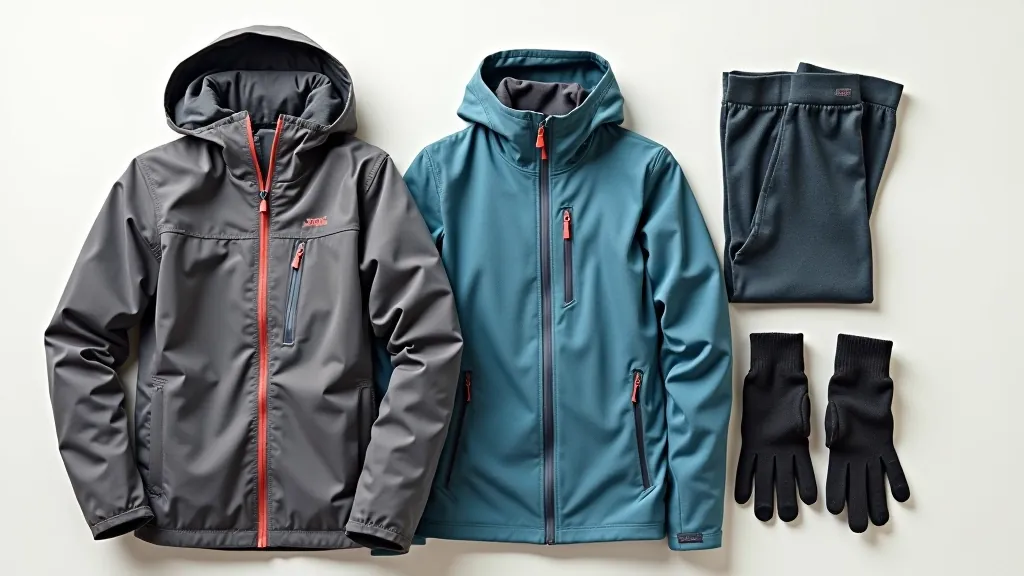
The Three-Layer System
Base layer: This sits against your skin and moves moisture away. Cotton doesn't work — it holds sweat. Merino wool or synthetic materials dry quickly and keep you warm even when damp.
You don't need expensive gear. A simple thermal base layer costs around €20-30 and lasts for years. It's the difference between enjoying your walk and cutting it short because you're uncomfortable.
Mid layer: This traps warm air. Fleece, wool sweaters, or lightweight jackets all work. This is where you control your temperature. Too warm? Remove it. Getting cold? Put it back on. Most people on the trails wear this layer — it's the easiest to adjust.
The mid-layer doesn't have to be technical. A regular wool jumper from a high street shop does the job. It's breathable, it insulates, and you probably already own one.
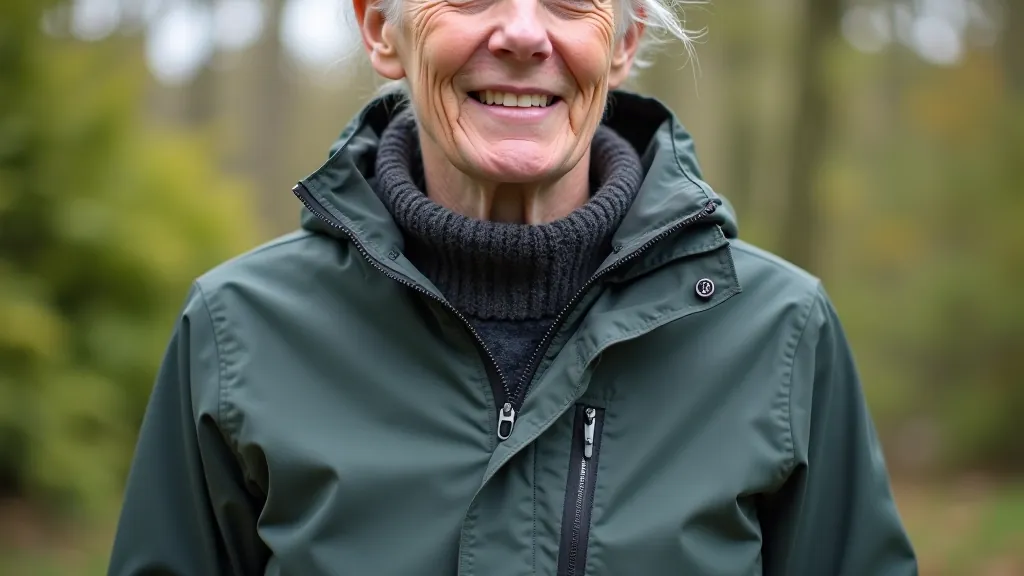
Outer layer: This blocks wind and rain. A waterproof jacket with breathable fabric (like Gore-Tex) is ideal, but even a basic rain jacket works. The key is it should fold small enough to fit in a bag when you're not wearing it.
Footwear: Don't Compromise Here
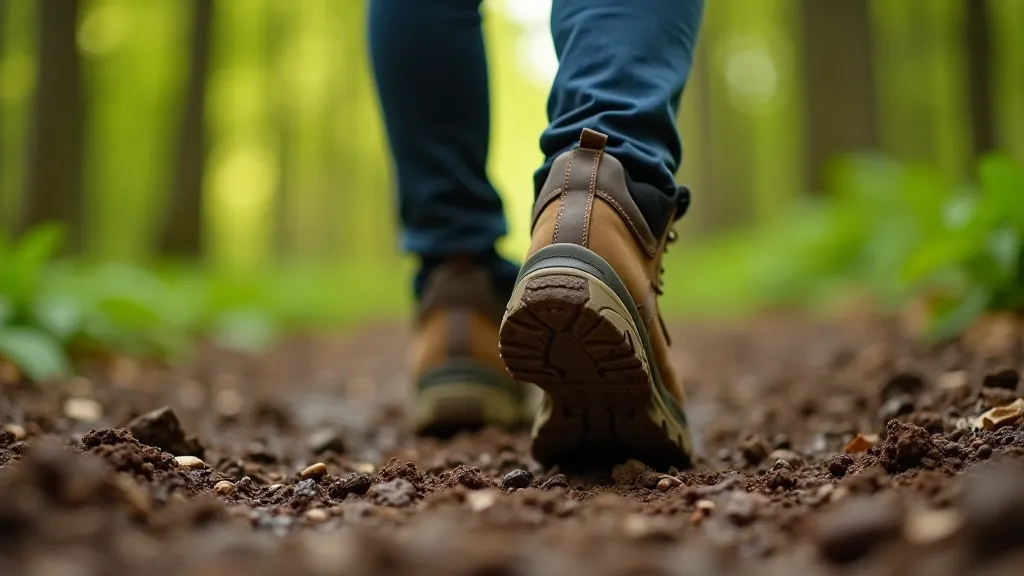
Your feet carry you for the entire walk. Bad shoes don't just make you uncomfortable — they can cause pain that lasts for days afterward. The Lake Loop at Rossmore is 2.5 km with some uneven ground. That's enough distance that proper support really matters.
Look for walking shoes or boots with ankle support, cushioned soles, and a grip that works on wet surfaces. The grip matters more than people realize. Wet leaves, muddy patches, and damp stone can be slippery.
You don't need expensive hiking boots. A decent pair of walking shoes from a sports shop costs €60-90 and works perfectly fine. What matters is they fit properly. Spend time finding shoes that feel comfortable from the start — don't expect them to "break in" into comfort.
Socks matter too. Wool or synthetic hiking socks make a real difference compared to regular cotton socks. They dry faster and prevent blisters. If you're walking regularly, get two or three pairs — they're not expensive.
What to Wear in Each Season
Monaghan has genuine seasons. What works in summer won't work in winter. Here's how to adapt.
Spring & Autumn
Variable temperature and moisture. Merino base layer, mid-layer fleece, waterproof jacket. These are the tricky seasons because the weather changes mid-walk. Bring the jacket even if the morning is clear.
Summer
Lighter base layer (or skip it if it's warm enough), breathable t-shirt, lightweight long-sleeve top for sun protection, minimal jacket. You'll still want a thin rain jacket in a bag — summer rain in Ireland is common.
Winter
Thermal base layer, thick wool mid-layer, insulated waterproof jacket, hat, gloves, thick socks. Winter walks are shorter usually, so you're balancing warmth with mobility. Your hands need protection — cold hands make walking uncomfortable.
Accessories That Actually Help
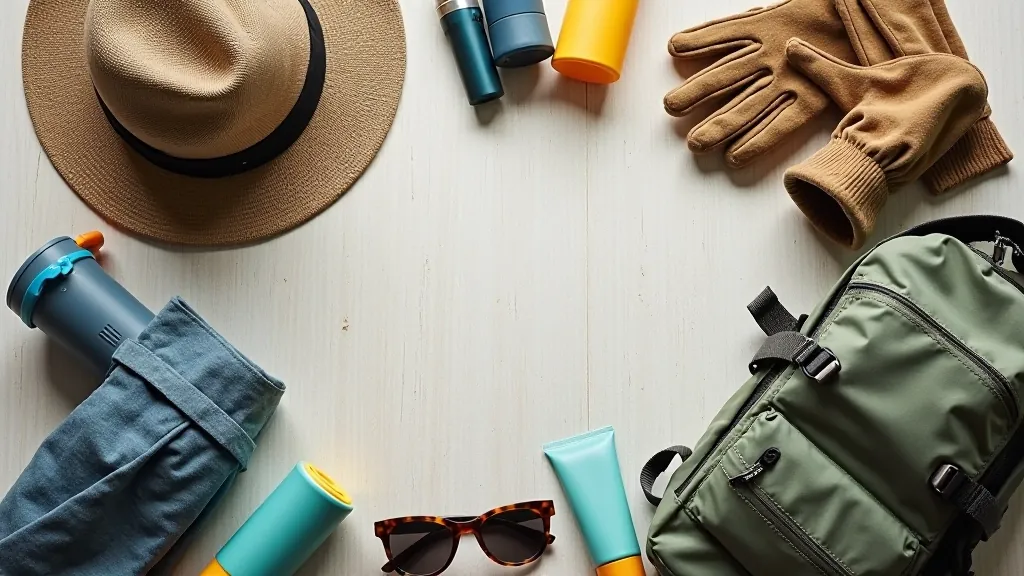
Small things make a big difference. A hat keeps rain out of your eyes and reduces heat loss on cold days. Gloves let you use your phone or adjust gear without exposing your hands to wind. Neither costs much, but they genuinely improve your experience.
Sunscreen matters more than most people think. Even on cloudy days, UV protection helps. A sun hat with a brim protects your face better than a regular cap.
Carry a small backpack (15-20 liters) with water, a snack, and your extra layers. A waterproof bag keeps your phone and keys dry. You don't need specialized hiking gear — a regular small backpack works fine as long as it has decent shoulder straps and distributes weight comfortably.
Start Simple, Learn as You Go
You don't need to buy everything at once. Start with what you have and pay attention to what feels uncomfortable. That tells you what to add next. After a few walks, you'll naturally develop a system that works for you.
The walks at Rossmore are enjoyable when you're dressed properly. You're not fighting the weather — you're moving through it comfortably. That's the whole point. Good clothing isn't about looking prepared. It's about being able to actually enjoy being outside, whatever Monaghan weather throws at you.
Disclaimer: This article provides general information about clothing and footwear for forest walking. Individual needs vary based on age, health conditions, fitness level, and personal preference. Always consult with a healthcare provider before beginning a new walking program, especially if you have any health concerns. Weather conditions can change rapidly — check local forecasts and trail conditions before setting out. Wear appropriate safety gear and inform someone of your planned route and return time.